Antica Acetaia Luigi Cremonini

BALSAMIC VINEGAR

From Grape to Bottle

A journey where time, nature and artisanal craftsmanship come together to create an exceptional Balsamic Vinegar.

BALSAMIC VINEGAR

From Grape to Bottle

A journey where time, nature and artisanal craftsmanship come together to create an exceptional Balsamic Vinegar.

The Art of making Traditional Balsamic Vinegar of Modena

Traditionally located in the attics of family homes, the Acetaie provide the ideal environment for the slow ageing of Traditional Balsamic Vinegar.

Here, the natural rhythm of the seasons creates the temperature variations essential for fermentation, acetification and gradual maturation.

Within this unique microclimate, enriched by the presence of specific selected acetic acid bacteria, time becomes an essential ingredient: year after year, the vinegar develops extraordinary aromatic complexity, distinctive density and a harmonious balance between sweetness and acidity.

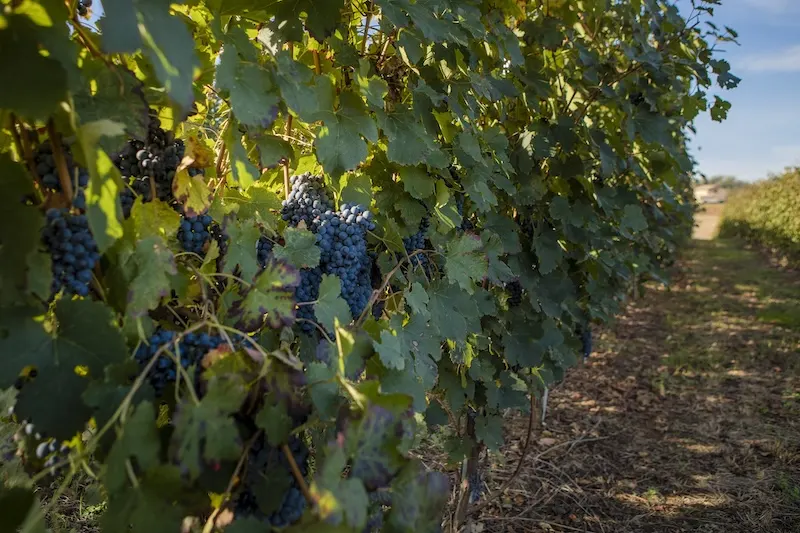
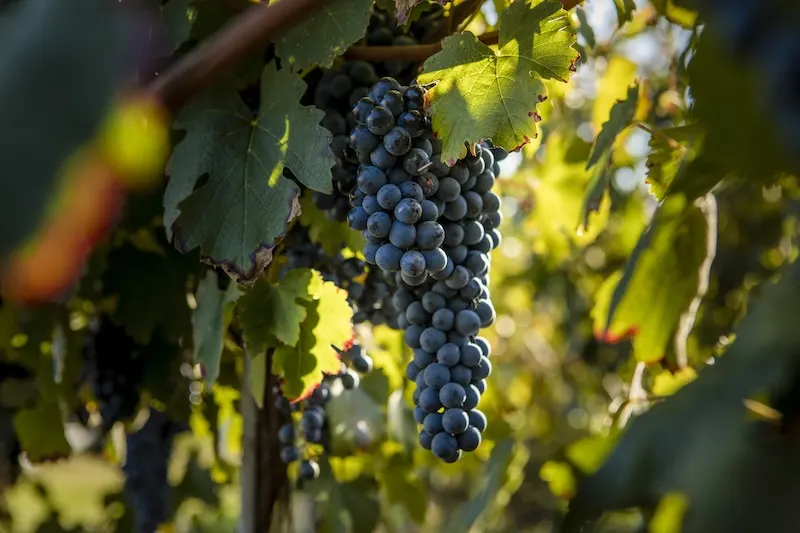
Grape Selection and Harvest

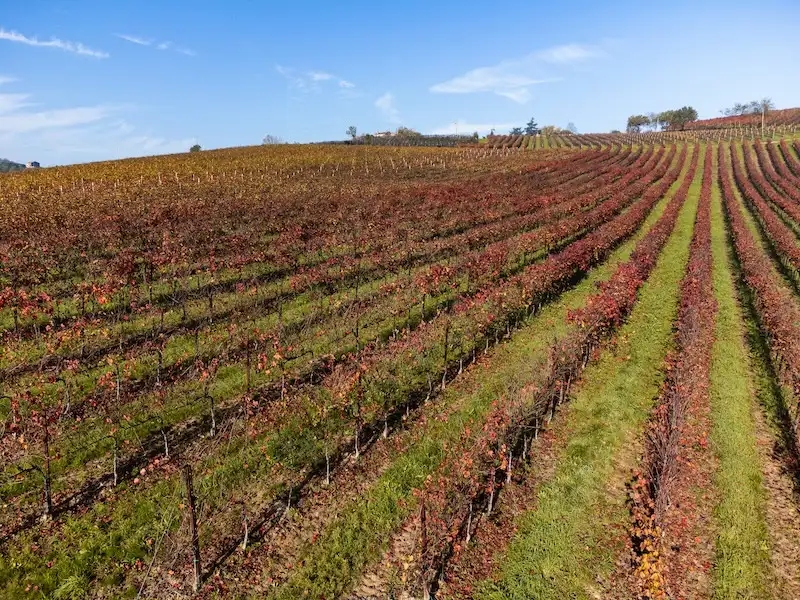
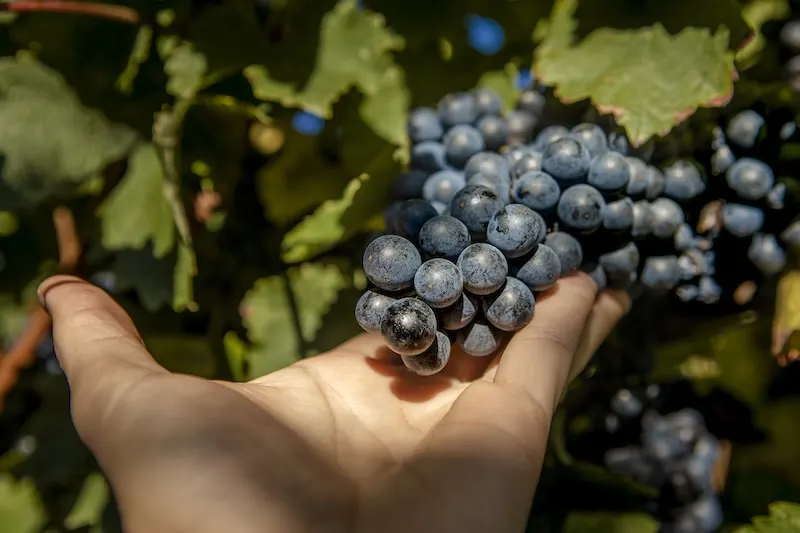
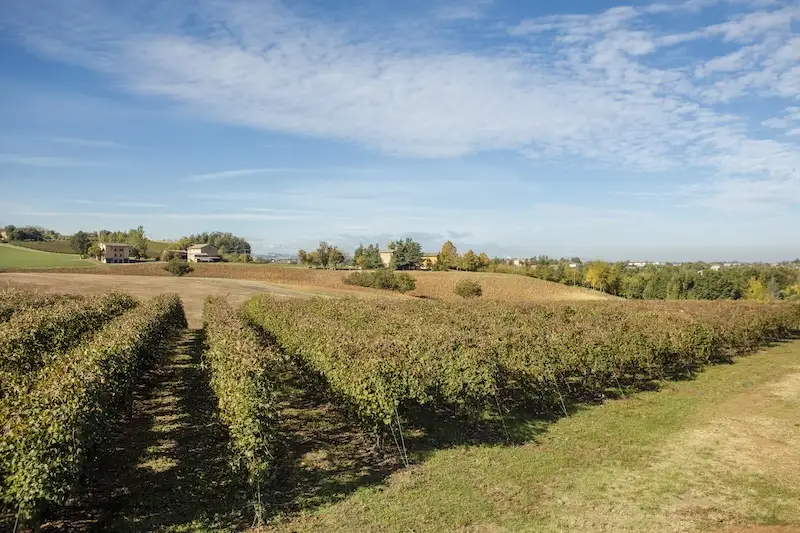
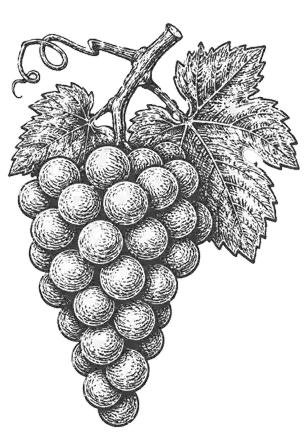
Traditional Balsamic Vinegar begins with carefully selected native grape varieties from the Modena region, particularly Lambrusco and Trebbiano, harvested at the peak of ripeness.
The quality of the grapes is essential to creating a must naturally rich in aromas, sugars and delicate fragrances.

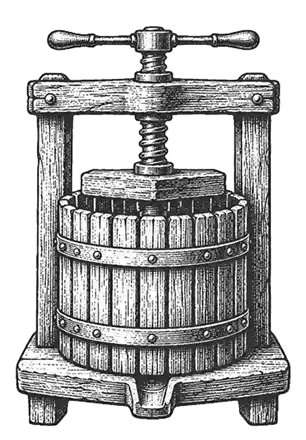
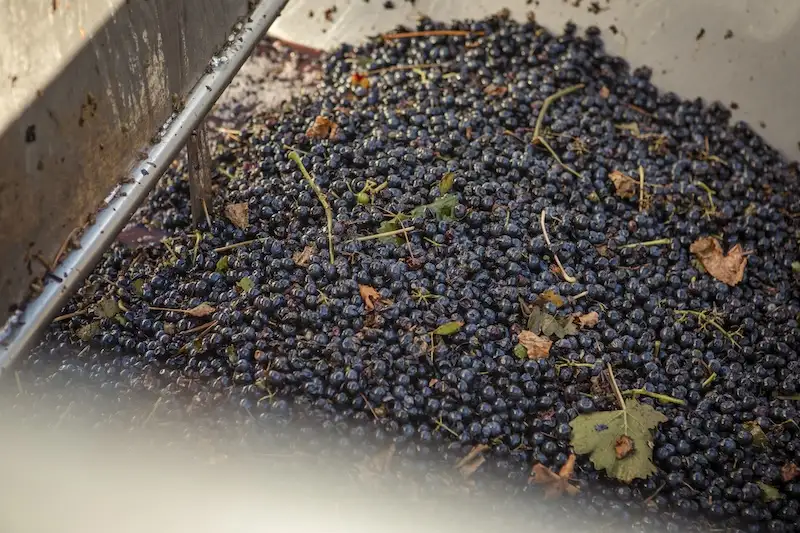
Pressing

After the harvest, the grapes are gently pressed to obtain fresh must, meticulously separated from stems, seeds and any impurities that could compromise its purity and influence the following stages of production.

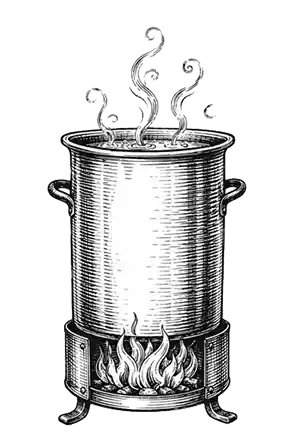
Cooking

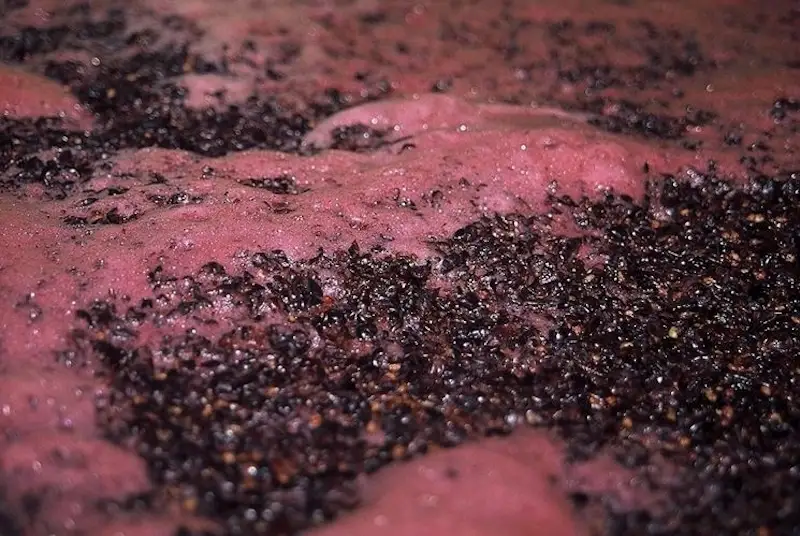
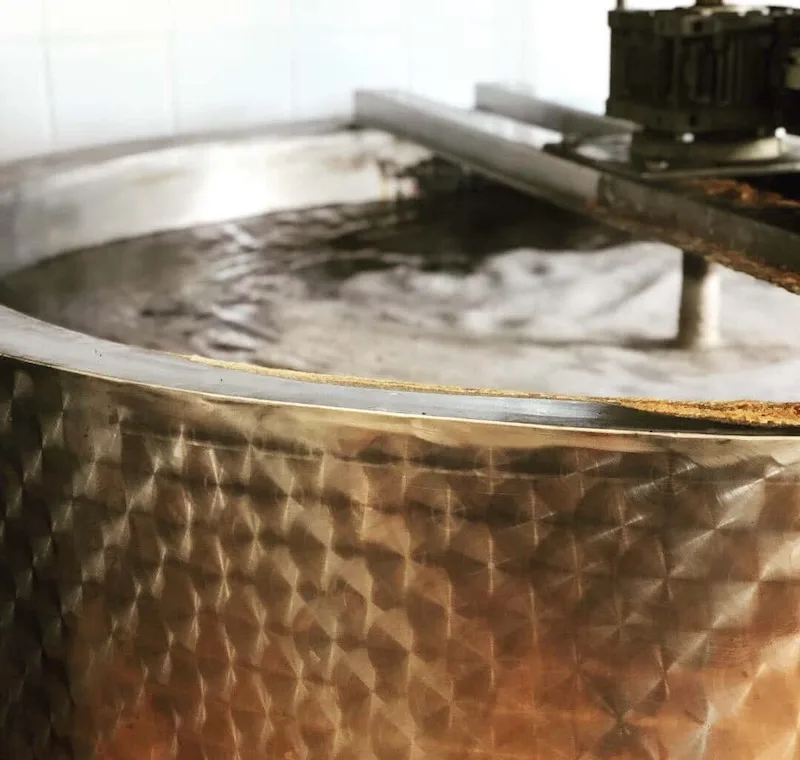
The must is slowly cooked in open vessels over a direct flame. Through gradual evaporation, the natural sugars become concentrated, creating the ideal conditions for fermentation

Alcoholic Fermentation and Acetification

Once cooled, the cooked must is transferred into large oak barrels, known as badesse, where the first stage of fermentation process begins.
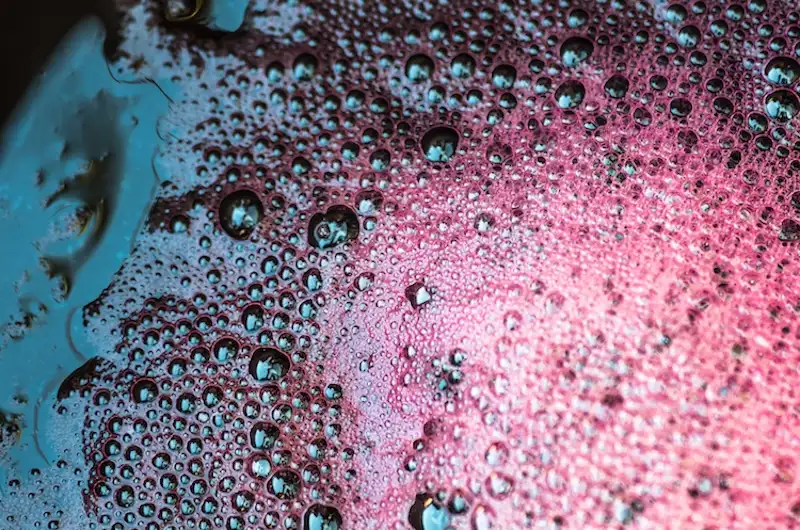
Selected yeasts transform the natural sugars into alcohol, while acetic acid bacteria progressively convert the alcohol into acetic acid.
From this moment onwards, Balsamic Vinegar enters its slow maturation journey.

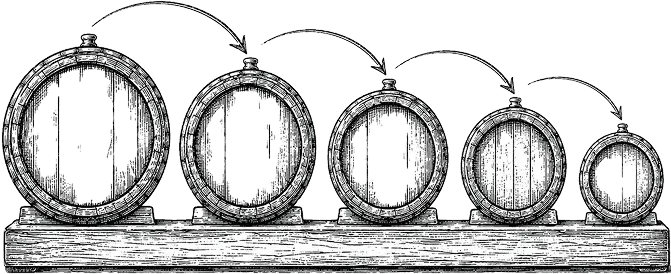
Maturation and Ageing

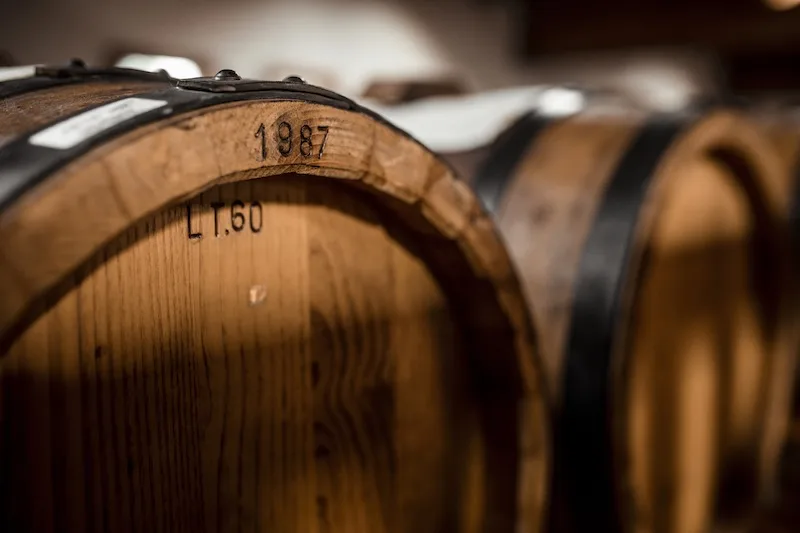
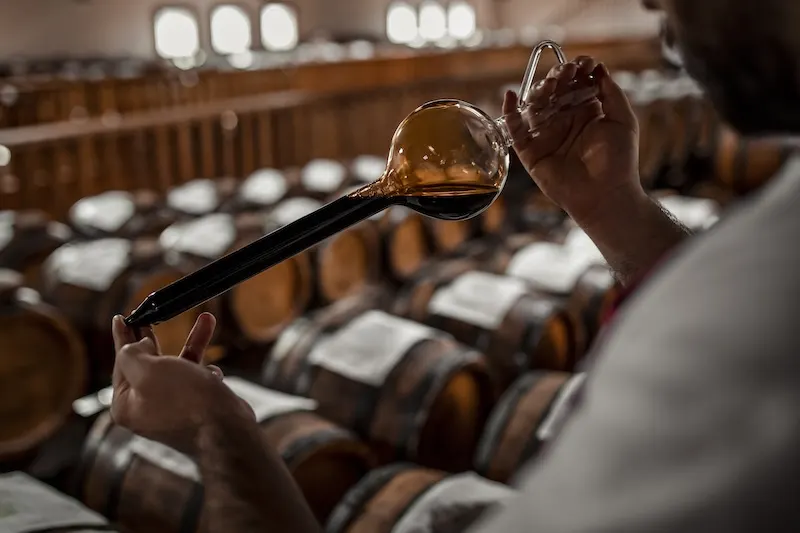
The vinegar is then introduced into the batteria, a series of barrels arranged in descending order of capacity, each made from a different wood and imparting unique organoleptic qualities.
The final aromatic profile emerges from the harmonious balance between the various wood essences and their position within the sequence.

Barrel Transfers and Topping Up

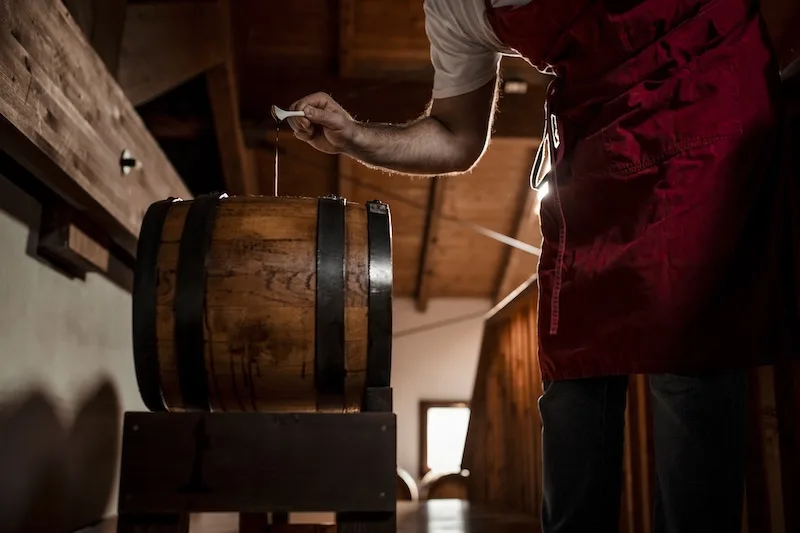
Every year, the ancient method of barrel transfers and topping up is carefully renewed: after a small quantity of vinegar is drawn from the smallest barrel, it is replenished with the contents of the preceding one.
The process continues throughout the entire batteria until reaching the largest barrel, which is finally topped up with cooked must from the latest harvest.

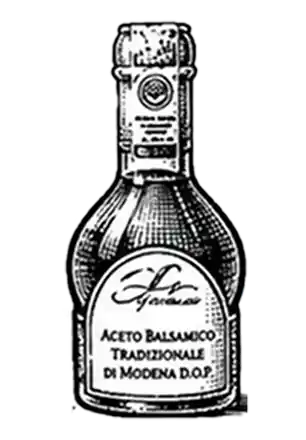
Tasting and Bottling

After the long ageing process has been completed, Traditional Balsamic Vinegar undergoes evaluation by the Consortium’s official tasting panel.
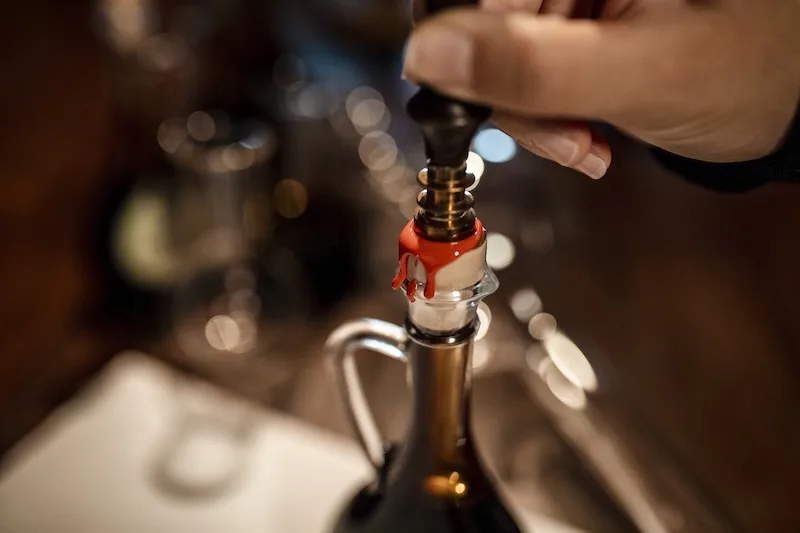
Only vinegar that successfully passes the rigorous quality controls established by the production regulations receives certification and is bottled in the distinctive bottle, a symbol of authenticity and excellence.

Aceto Balsamico di Modena

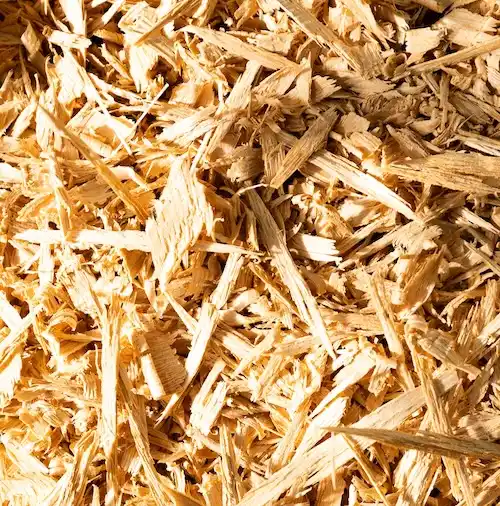
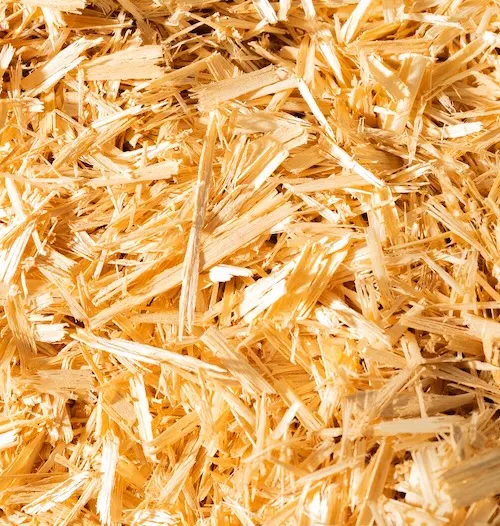
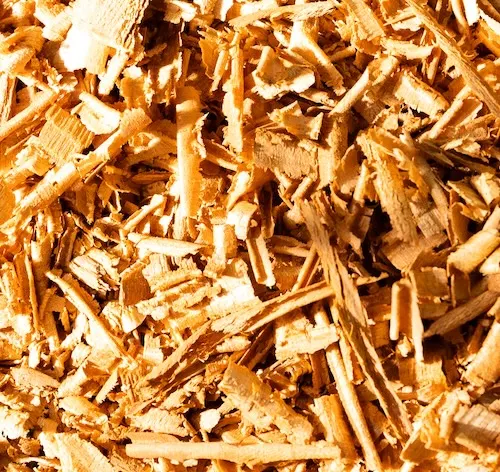
The Woods: the secret behind ageing

Balsamic Vinegar is a living product, constantly evolving as it breathes through the wood, slowly matures and develops its aromatic complexity over time.
The barrels that make up the traditional batterie are crafted from different wood essences, each imparting its own distinctive characteristics, aromas and nuances. It is through the harmonious dialogue between Balsamic Vinegar and these woods that its unique character takes shape.

Oak: The wood of stability

Primarily used for the larger barrels, oak lends structure and balance, enriching Balsamic Vinegar with delicate vanilla notes and a refined aromatic harmony.

Chestnut: the wood of depth

Naturally rich in tannins, chestnut lends intensity and structure, enhancing the characteristic deep brown colour and contributing to the aromatic complexity of Balsamic Vinegar.

Cherry: the wood of fruity elegance

A soft and porous wood that imparts delicate, enveloping aromas with fruity and sweet notes contributing to the roundness and smoothness of Balsamic Vinegar.

Mulberry: the wood of natural concentration

Thanks to its distinctive porosity, mulberry wood promotes oxygen exchange and supports the natural concentration process, lending richness, density and complexity of Balsamic Vinegar.

Juniper: the essence of character

With its intense and distinctive character, juniper wood imparts vibrant resinous notes, adding depth to the extraordinary aromatic complexity of Balsamic Vinegar.

Acacia (Robinia): the essence of aromatic delicacy

A wood that gracefully accompanies the ageing process, enhancing balance and smoothness while preserving the natural characteristics of Balsamic Vinegar.

Ash: the essence of purity

Distinguished by its remarkable aromatic neutrality, ash wood allows Balsamic Vinegar to fully express its true identity, preserving its most authentic nuances.
The Acetaia's finest creations brought to your table

From our finest Reserves to Balsamic Condiments, each product embodies the essence of time, tradition and artisanal expertise